My mum put a garden fork through her foot, we built a clay mine that was flooded, found a Roman mosaic in the process, and I broke two (2) of my wrists on the rope swing down the slope outside.
Gardening, ain’t it great?
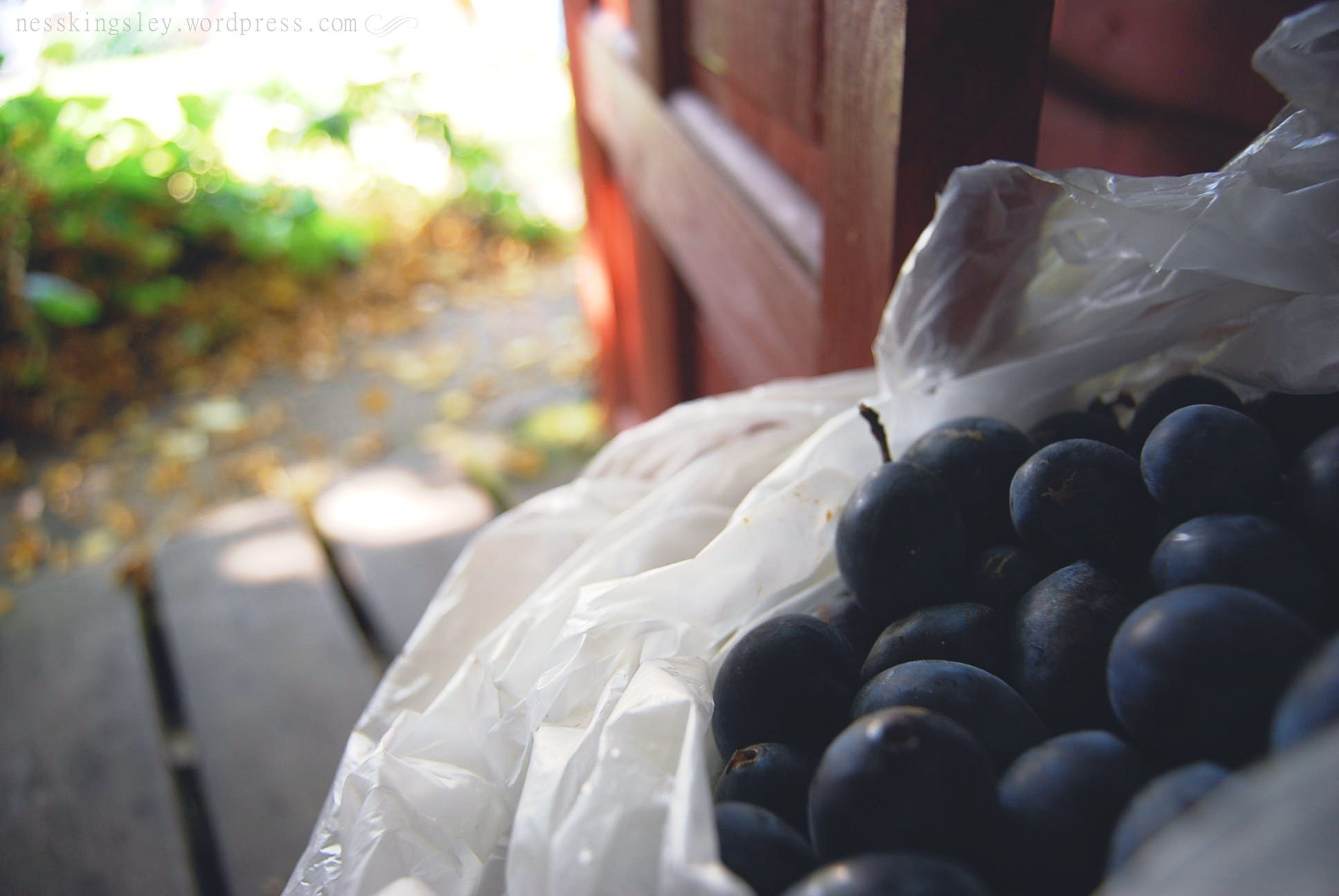
For seven and a half years of my formative life, my mum had an allotment. I can still smell the greenery. Taste the tangy sweetness of a raspberry and feel the pebble-like potatoes yanked up from the soil like discovered pirate treasure.
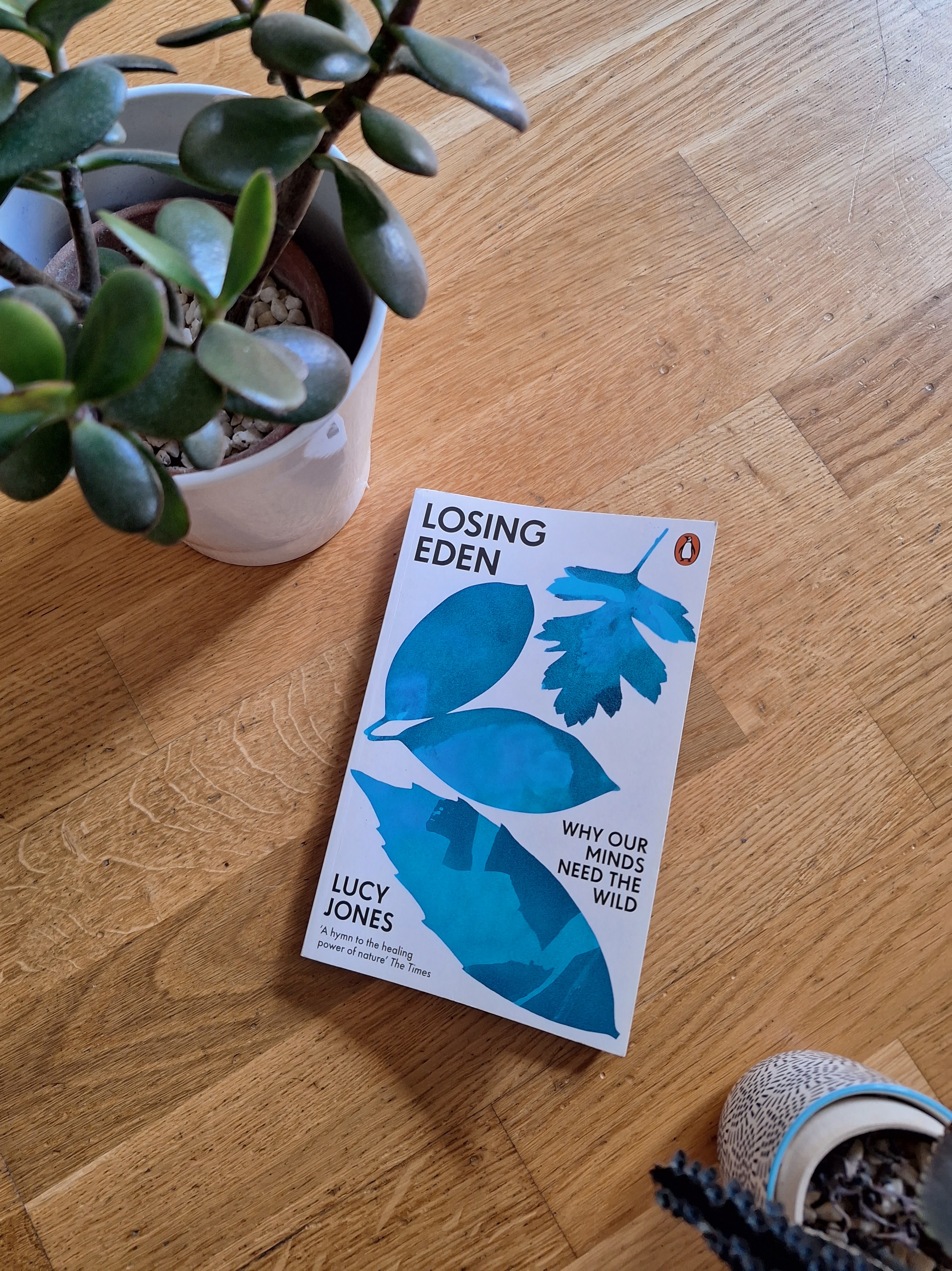
But that was years ago. I’ve read Losing Eden by Lucy Jones, who holds that it’s easy to feel divorced from nature – it’s a thing that you go to, but Jones reminds us that we’ve got it all wrong: we are part of nature, nature is part of us.
Jones’ words conjured up my childhood and hours spent playing outside. Even now, there’s something so therapeutic about walking out in a park. My mind clears, my breath calms, and tranquility seeps through … my pores? I’m going with pores.
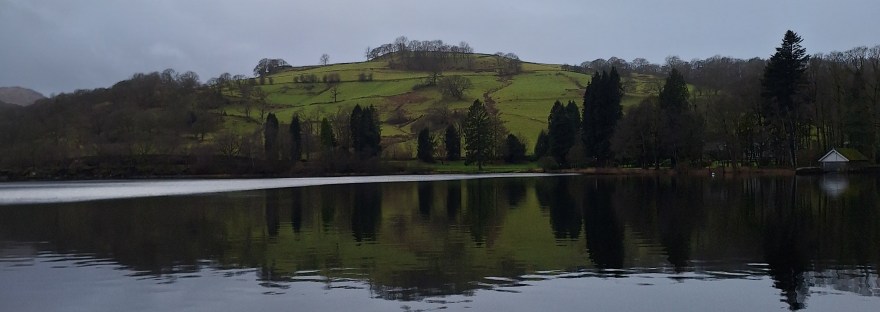
There’s a row of trees across the river from where I live, in the early evening, the shadows look beautiful – make them appear better than any Constable painting. If they were cut down, I’d feel just a little bit more lost.
Our eyes have been distracted from the great prize of Planet Earth by rapacious consumerist culture, insidious advertising and media that persuade us we can’t be happy without this or that – pg 146
Climbing trees, catching crickets, peering at the tadpoles in small ponds, and smelling that beautiful after-rain smell that hangs over soil – these are the gifts I’ve been given from growing up with a garden and having that allotment. Wealth that can’t be measured in a bank account, but having access to these things is a privilege that not everyone has.
Now, as an adult, I’ve carried the outside into my home. There are plants lining my windowsill, Bernard the Palm sits by the window, and Unnamed Plant sits on my husband’s desk. I want more, of course. I won’t be satisfied without a jungle.
Jones’s beautifully written book is a call to embrace the world we are part of – seek out the greenery, the earth, the wildlife and protect it and make sure that all of us can enjoy it.
Why? Because we live here. We all do. This is all we’ve got. It’s a finite, fragile thing.
I am hopeful that a new relationship with the Earth is forming, one which positions us not as conquerors, but co-tenants with wildlife and rivers and mountains and trees, respecting and caring for natural spaces because it is the right thing to do – and because we need the rest of nature both for our lives and for our sanity – p. 198
The politicisation of taking care of the world we live in is a great tragedy; it should be a natural priority to us. Taking care of it, takes care of us.
Today, we walked back home on a path littered with fallen leaves, slick mud, and dotted with puddles. Trees and hedgerows guided us until we reached the swollen river and houses that lined the road beside its banks.
It is easy to be divorced from the natural world; but it is equally as easy to open your eyes to it. You have only to look. The world is there, it’s waiting.
 of words & books
1 thought on “unconscious planetary suicide: losing eden by lucy jones”